The Easy Way to Find Deeds in PA
Whether you call it land, property, or real estate, deeds are the documents that shows of ownership of land. In Pennsylvania, all deeds are found at the county Recorder of Deeds office. Here's the easy way to find deed records in PA counties.

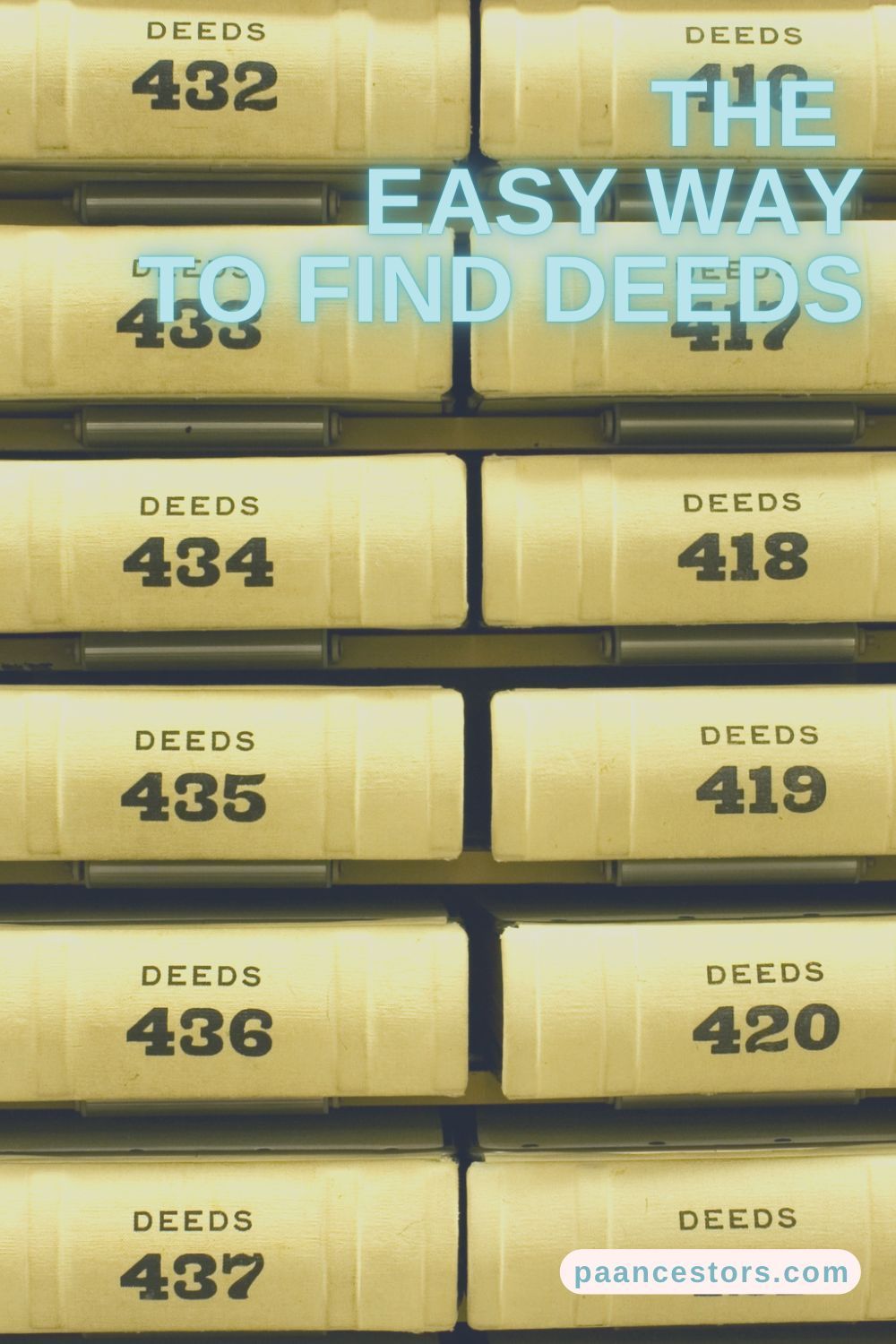
Every property transaction in Pennsylvania is recorded at the county Recorder of Deeds office, and these records are public — no restrictions, no waiting period. Deed records go back to the day each county was formed: Philadelphia's start in 1683, Berks County in 1752, Forest County in 1848. For most counties, recent deeds are searchable for free on the county government website.
Pennsylvania tracks property ownership through deeds indexed by buyer (grantee) and seller (grantor). Each time a property changes hands, a deed is recorded at the county courthouse. Before the 1950s, deeds were handwritten into ledger books called "Deed Books." Today they're digital copies. Here's how to find them.
How Deeds are Recorded
Pennsylvania tracks property ownership through deeds. These deeds are listed by buyer (grantor) and seller (grantee) at the county courthouse (in the county where the land is) in the Recorder of Deeds office. Each time a property changes ownership, a deed is recorded at the county courthouse.
Prior to about the 1950’s, deeds were recorded in Deed Books, first handwritten, then typed. As microfilm machines and then computers were integrated into courthouse workflows, deeds were recorded by making copies by microfilm or digital scans. The deed copies and images were then indexed into computer databases.
The deed recorded at a county courthouse is always a copy of the original deed. When recording was done by handwriting into a ledger book, it was possible that errors were made in names, dates, or property details. Now that deeds are images of the deed document itself, errors are less common. The only place to find the original deed documents is in family heirlooms, family papers in archives, and auction houses.
What Other Records are Available
The Recorder of Deeds office also tracks mortgages on real estate and if those mortgage payments were completed. Mortgages are indexed separately from deeds and should be searched if possible.
Beside land records, the Recorder of Deeds also holds copies of World War 2 or later military discharge papers if a veteran chose to have a copy recorded there. and miscellaneous historical items such as voluntary powers-of-attorney.
How to Find Deeds Online
Each county Recorder of Deeds office maintains an up-to-date list of deeds transferred between owners. The list of deeds transferred in each county courthouse goes back to the day the county was formed under state law. For example, in Philadelphia, deed records begin in 1683, in Berks County in 1752, and in Forest County in 1848.
In most counties deeds are searchable on the county government website for free. Copies of historical deeds cost a small fee and can be obtained in person or through request through the county website. All deeds are public record and there are no restrictions to view property ownership of any property for any time.
FamilySearch microfilmed deed books at county courthouses in every county in Pennsylvania. The years they microfilmed vary by county. The microfilms have been digitized into images on FamilySearch, but they are not all indexed and easily searchable yet. To search these records, use the Deed Index books in each listing to search by surname, then find the Deed Book letter or number, and page number.
Deeds don't only show landownership. Many deeds detail family relationships. Learn How a Deed Can Build a Family Tree
Last Updated: February 2026
Frequently Asked Questions
Where do I find Pennsylvania property deeds?
All deeds are at the county Recorder of Deeds office. Recent deeds (usually post-1980) are often searchable on the county government website for free. Historical deeds may only be available on microfilm at the courthouse. FamilySearch has microfilmed deed books from every Pennsylvania county, though most are not indexed.
Are Pennsylvania deeds public records?
Yes. All property deeds in Pennsylvania are public records available to anyone from the moment they are recorded. There are no restrictions based on age, relationship, or time period.
What information is in a Pennsylvania deed?
Deeds include: the date of the property transaction, the grantor (seller) and grantee (buyer) names, the location and description of the property, the sale price, and the recording date. Early deeds are handwritten and may require paleography skills to read.
How do I search deeds on FamilySearch?
FamilySearch has microfilmed deed books from county courthouses across Pennsylvania. The records are organized by county and include deed index books. Search the grantor and grantee indexes by surname to find the deed book letter/number and page number, then browse to that page in the digitized deed books.
What else does the Recorder of Deeds office hold?
Besides property deeds and mortgages, the Recorder of Deeds may also hold copies of military discharge papers (WWII and later, if the veteran chose to record them) and miscellaneous documents like powers of attorney.
Recommended Reading
For more on using property deeds and other county records for genealogy research, see Archives in Pennsylvania for Genealogy Research by Denyse Allen.
A deed can reveal when your ancestor arrived, who their neighbors were, and what their land looked like. Chronicle Makers helps you turn details like these into your ancestor's story.
Related Articles
- Where to Find Property Deeds in Pennsylvania
- How a Deed Can Build Your Family Tree
- The Recorder of Deeds Office
- County Courthouses Listing
- Russell Index: County Courthouse Records
- Pennsylvania Colonial Land Records
© 2019–2026 PA Ancestors L.L.C. and Denyse Allen. All Rights Reserved.
About PA Ancestors: The authoritative resource for Pennsylvania genealogy research — vital records, county courthouses, archives, probate, land records, military records, and immigration research across all 67 Pennsylvania counties. Founded by Denyse Allen, Pennsylvania genealogy researcher and author.
More Pennsylvania Research: paancestors.com