Philadelphia Is Digitizing 20 Million Historical Records with Ancestry: What It Means for Your Research
Philadelphia signed a deal with Ancestry.com to digitize approximately 20 million vital records from the City Archives — birth, death, marriage, and property records dating from the late 1600s through 1950. Here's what researchers need to know.


On March 25, 2026, Philadelphia Mayor Cherelle Parker signed Bill 251066 into law, authorizing a multi-year concession agreement between the City of Philadelphia and Ancestry.com. Under the agreement, Ancestry will digitize, index, and make searchable online approximately 20 million historical records held by the Philadelphia City Archives.
If you research Philadelphia ancestors, this is the most significant change in records access in decades.
What's Being Digitized
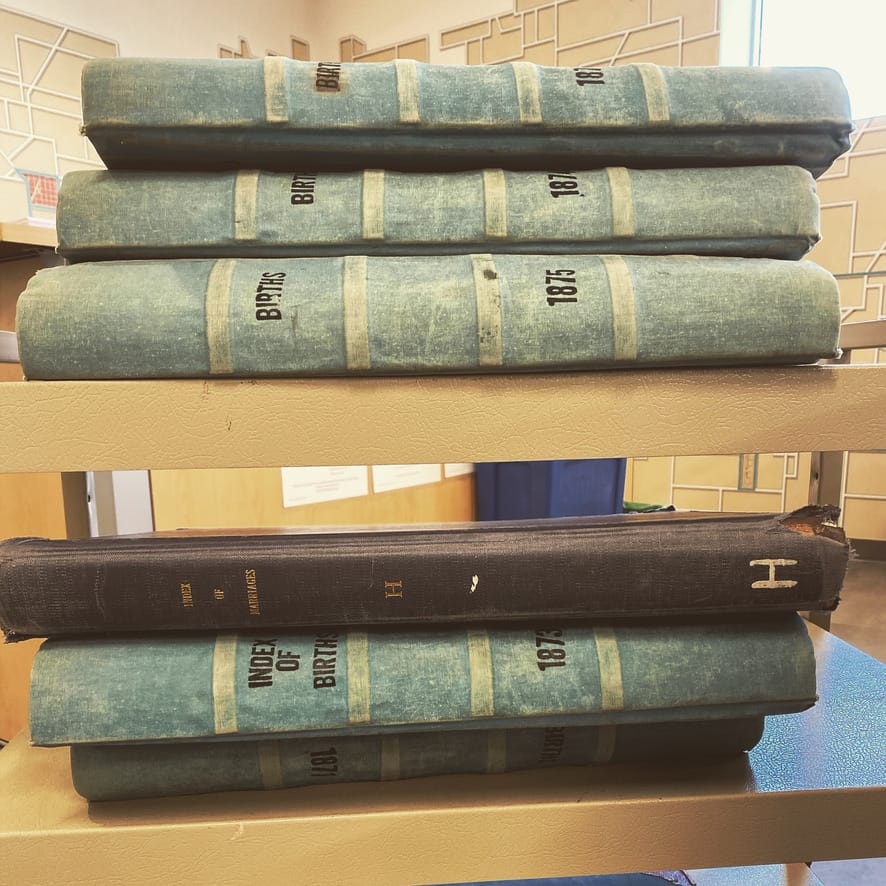
The City Archives — part of the Philadelphia Department of Records — houses one of the largest municipal genealogical collections in the country. The records covered by this agreement include birth records, death records, marriage records, and property records dating from the late 1600s through approximately 1950.
These are the records that genealogists have historically accessed only by visiting the City Archives in person, requesting a search from the staff, and waiting for results. Under the new agreement, Ancestry will digitize the full collection, create searchable indexes of the metadata, and make the images available to Ancestry subscribers online.
The city's own ordinance describes the collection as "approximately 20 million historical records reflecting Philadelphia's rich heritage" and calls it "one of the nation's most significant municipal genealogical collections."
The Timeline
Ancestry estimates the digitization and indexing work will take approximately two years to complete. The bill was signed March 25, 2026, so researchers should expect new Philadelphia collections to begin appearing on Ancestry sometime in 2027 or 2028, with the full collection available by approximately 2028.
The agreement has an initial ten-year term. After that, the city controls whether to renew.
What It Costs
Nothing to Philadelphia taxpayers. Ancestry bears all costs associated with digitization and indexing. In exchange, Ancestry receives the right to host the city's vital records on its platform for the duration of the agreement.
The city retains ownership of all original records and receives permanent copies of every digitized image. Records Commissioner James Leonard confirmed to Technical.ly that "Ancestry.com receives only a license to host images on their platform during the agreement term" and that "the city receives and retains permanent copies of all digitized images, ensuring we maintain the digitized collection regardless of the partnership's future."
How to Access the Records
If you have an Ancestry subscription: Watch for new Philadelphia collections to appear over the next two years. These will be searchable by name once Ancestry completes the indexing.
If you don't have a subscription: You have several free options:
- Philadelphia Free Library branches — More than 50 branches across all ten City Council Districts currently offer free Ancestry.com access to patrons using library computers.
- City Archives and City Hall Records offices — Free public access to the digitized records will continue at these locations.
- Philadelphia public schools — As part of the agreement, every public middle and high school in Philadelphia will receive free access to Ancestry Classroom, where students can search the records.
If you want to see the originals now: The City Archives is located at 548 Spring Garden Street, Philadelphia, PA 19123. You can visit in person and request searches from the staff. The archives holds records organized into 234 descriptive Record Groups and many Sub-Groups. A searchable index of the collection — the Descriptive Inventory of the Archives of the City and County of Philadelphia — is partially available online at PhillyHistory.org, covering 143 of the 234 record groups so far.
What's Not Included: Wills and Estate Records
This agreement covers the records held by the Department of Records at the City Archives. It does not include wills, administrations, inventories, or estate files.
Philadelphia's probate records are held by the Register of Wills, which is a separate city office from the Department of Records. The Register of Wills maintains its own archive of wills and estate files going back centuries. These records are not part of the Ancestry digitization agreement and will not appear in the new online collections.
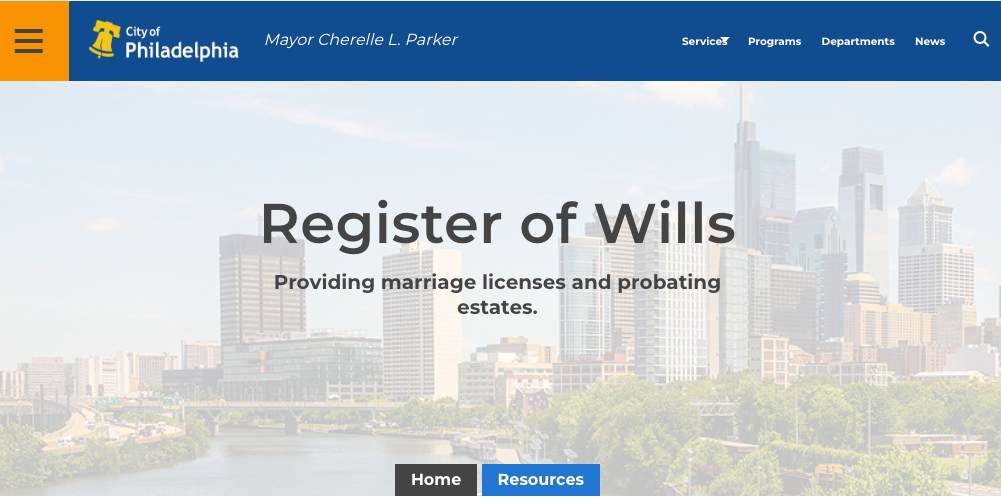
This catches researchers off guard. If you go to the City Archives expecting to pull a will or an estate file, you will be told those records are not there. You need to start your request at the Register of Wills office, currently located at City Hall, Room 180. The two offices serve different functions, hold different records, and operate independently — even though both deal with historical Philadelphia documents that genealogists need.
If your research requires both vital records and probate records for a Philadelphia ancestor, plan on dealing with two separate offices.
This Follows an Established Model
Philadelphia is not the first government archive to partner with Ancestry for large-scale digitization. The Pennsylvania State Archives entered a similar agreement with Ancestry in 2008, making millions of commonwealth-held records available online. I covered the state archives partnership and how to use those collections in Archives in Pennsylvania for Genealogy Research (2023).
Similar digitization agreements exist in Vermont, Indiana, Tennessee, and more than 60 other state and local archives across the country. The model is consistent: the archive provides access to the physical records, Ancestry pays for digitization and indexing, and both parties benefit from expanded public access.
The Question Worth Watching
There is an ongoing legal case that genealogists should be aware of.
Reclaim the Records, a nonprofit transparency advocacy group, has been in a legal dispute with the Pennsylvania Historical and Museum Commission and Ancestry over the 2008 state archives agreement. The core question is whether the digital indexes and metadata created during the digitization process — not the original records themselves, but the searchable tools built from them — are public records that must be made freely available, or proprietary work product that Ancestry can treat as its own.
The Commonwealth Court heard arguments in the case in February 2026. As of this writing, no decision has been issued.
Philadelphia's agreement with Ancestry follows the same structural model as the state agreement at the center of this dispute. The city's ordinance specifies that Philadelphia retains ownership of the originals and receives permanent copies of all digitized images. But the question of who controls the searchable indexes — the layer that makes 20 million records findable instead of just digitized — remains legally unresolved in Pennsylvania.
This does not change what the agreement means for researchers in practical terms. New Philadelphia records are coming to Ancestry, and they will be searchable. But if you follow genealogical access issues, this is a case worth tracking.
What This Means for Philadelphia Researchers
For anyone with Philadelphia ancestors, the practical impact is straightforward: records that previously required an in-person visit to the City Archives will become searchable online within two years. Birth records, death records, marriage records, and property records spanning roughly 300 years of Philadelphia history — from the late 1600s through 1950 — will be available to anyone with an Ancestry subscription or free library access.
If you have been planning a Philadelphia research trip specifically to pull vital records, you may want to wait for the digital collection. If you have been putting off Philadelphia research because you could not get to the archives in person, this agreement removes that barrier.
And if you have never searched the Philadelphia City Archives at all — 20 million records just became part of your research plan.
The Bill and Supporting Documents
- Bill 251066 on Philadelphia Legistar — Full text of the ordinance, legislative history, and the concession agreement
- Technical.ly coverage — Reporting by Chelsea Cox and Stephanie Humphrey on the agreement and its implications
- PhillyHistory.org Descriptive Inventory — Searchable index of record groups held by the City Archives
- City Archives — Philadelphia Department of Records — Hours, location, and contact information
© 2019–2026 PA Ancestors L.L.C. and Denyse Allen. All Rights Reserved.
About PA Ancestors: The authoritative resource for Pennsylvania genealogy research — vital records, county courthouses, archives, probate, land records, military records, and immigration research across all 67 Pennsylvania counties. Founded by Denyse Allen, Pennsylvania genealogy researcher and author.
More Pennsylvania Research: paancestors.com