Where Was Your Pennsylvania Ancestor in 1976? Researching the Bicentennial Year
Researching a Pennsylvania ancestor in 1976? Use the Social Security Death Index, vital records, directories, and living memory to document the Bicentennial era.

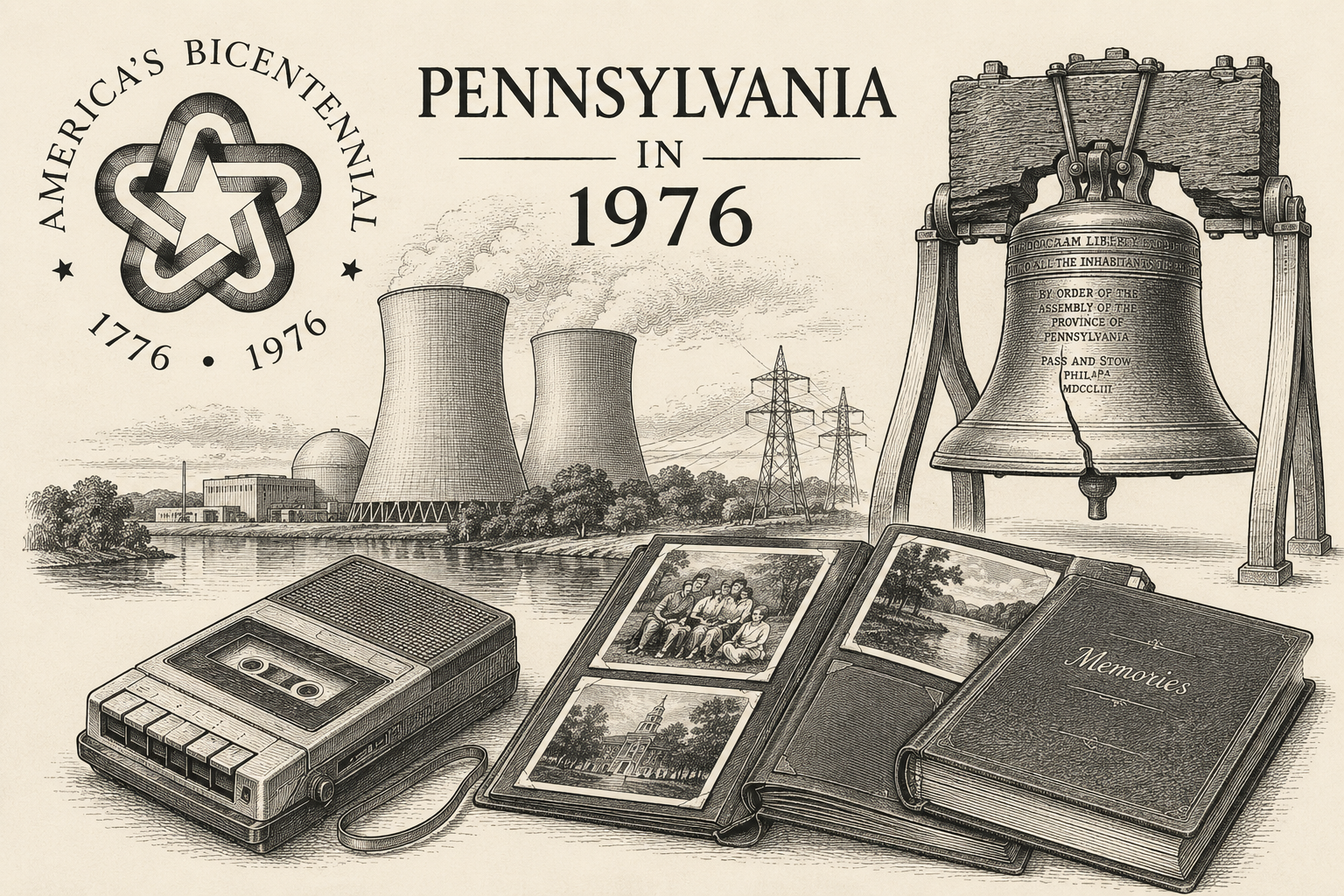
In 1976, the United States turned two hundred, and unlike the earlier anniversaries, this is the one your family may actually remember. The flags, the tall ships in New York Harbor, the red-white-and-blue everything, the bells rung across the country on the Fourth of July — for millions of Americans, 1976 is not a research problem but a living memory. And that changes how you research it.
The Bicentennial year introduces a different kind of challenge. The records are recent, which means privacy restrictions limit what you can access, and the most valuable source may not be a document at all — it may be a person who was there. For an ancestor in 1976, the method shifts: you still pull the paper that exists, but you also capture living memory before it's gone. This post covers both.
What 1976 Was: The Bicentennial
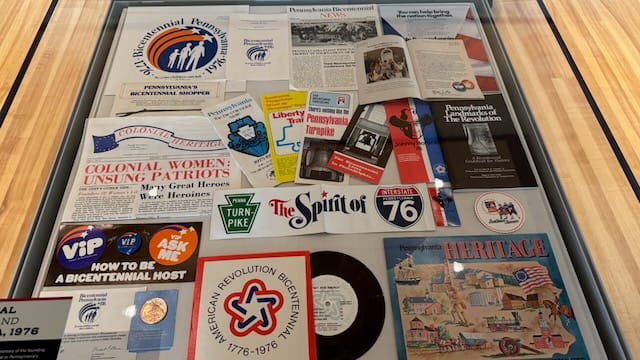
The Bicentennial was a year-long national celebration of two hundred years of independence. Pennsylvania, as the birthplace of the Declaration, sat at the heart of it — Philadelphia hosted events around Independence Hall, the Liberty Bell was moved to a new pavilion, and communities across the state held parades, dedicated time capsules, and organized local Bicentennial committees.
The defining feature of 1976 for a researcher is proximity. Your parents or grandparents may have been there. You may have been there. That means the year is documented not only in records but in photographs, home movies, local newspapers still on file, and the memories of people you can still talk to.
Why 1976 Research Is Different
Two things set the Bicentennial era apart from every earlier anniversary. First, privacy law restricts recent records: the federal census is sealed for 72 years (the 1950 census is the most recent released; 1960 opens in 2032), and vital records have access limits. Second, living memory is available — and it is a primary source that disappears a little more every year. The researcher's job in 1976 is part documentary and part interview.
The Records That Document 1976
Vital Records (Post-1906)
Pennsylvania began statewide birth and death registration in 1906, so by 1976 vital records are well established — but access is restricted by law. Pennsylvania birth records are released to the public after 105 years and death records after 50 years; more recent records are available only to the person or close family members through the Pennsylvania Division of Vital Records. For a 1976 death, an immediate family member can request the certificate, which records cause of death, parents' names, birthplace, and informant which is valuable for confirming family details. Know the access rules before you request.
The Social Security Death Index and SSA Records
For an ancestor who died after the mid-1960s, the Social Security Death Index (SSDI) is one of the most useful finding tools available. It records the person's name, birth and death dates, the state where the Social Security number was issued, and often the last residence. From there, you can request the original SS-5 application, which names both parents including the mother's maiden name. The SSDI is free on FamilySearch and other sites and is often the fastest way to pin down a death date in this era.
City Directories and Telephone Books
City directories continued into the later twentieth century, and telephone directories are an excellent, underused substitute where directories had stopped. Both place an ancestor at a specific address in a specific year and can track moves through the 1970s. Many libraries hold runs of local phone books and city directories for their area.
Local Newspapers
Newspapers from 1976 are abundant and often still accessible on microfilm at local libraries or in digitized collections. Beyond Bicentennial coverage (which named and often photographed local committee members, parade participants, and time-capsule contributors) newspapers carried obituaries, wedding announcements, and community news. A 1976 obituary often names surviving family members across multiple generations, making it a genealogical anchor.
Oral History and Living Memory
This is the source unique to the Bicentennial era, and the most fragile. The people who experienced 1976 — and the decades around it — can tell you what no record holds: how the family marked the Fourth, who was still living, what the house and the neighborhood were like, the stories that never got written down. Capturing this is real research. Record interviews (audio or video), ask specific sensory questions rather than general ones, and do it now. A document will still be in the archive next year. A ninety-year-old's memory may not be.
A Step-by-Step Approach for 1976
- Use the SSDI to confirm death dates for ancestors who died in this era, then request the SS-5 for parents' names.
- Request vital records within the access rules — recent Pennsylvania birth and death certificates are available to the person or close family.
- Work city and telephone directories to place the family at specific addresses through the 1970s.
- Search local newspapers for obituaries, announcements, and Bicentennial coverage naming family members.
- Interview the people who were there — record their memories of 1976 and the surrounding years before that window closes.
Pennsylvania-Specific Considerations
Vital records have access limits. Pennsylvania releases birth records after 105 years and death records after 50 years; more recent records require you to be the person or an immediate family member. Plan requests accordingly.
The census stops short. The most recent released federal census is 1950. You cannot use census records to research 1976 directly — lean on directories, newspapers, vital records, and living memory instead.
Living memory is the asset. For the Bicentennial generation, the interview is as important as the document. Pennsylvania families often kept strong ties to community and church; the people in those circles remember more than any record preserved.
The Bicentennial is where research and memory meet — and where the family stories that were never written down are most at risk of being lost. Turning those records and those memories into a written story your family will actually read is exactly what Chronicle Makers helps family historians do.
Frequently Asked Questions
Can I get census records for 1976?
No. The federal census is sealed for 72 years, so the most recent available is the 1950 census; the 1960 census opens in 2032. To research 1976, use vital records, the Social Security Death Index, city and telephone directories, newspapers, and oral history instead.
How do I get a Pennsylvania death certificate from 1976?
Pennsylvania death records are released to the general public after 50 years; more recent records are available to immediate family members through the Pennsylvania Division of Vital Records. A 1976 death certificate records cause of death, parents' names, birthplace, and the informant — useful for confirming family details.
What is the Social Security Death Index?
The SSDI is a free index recording the name, birth and death dates, state of Social Security number issuance, and often the last residence for people whose deaths were reported to the Social Security Administration. It is one of the best tools for confirming a death date after the mid-1960s and leads to the SS-5 application, which names both parents.
How do I capture family memories of 1976?
Interview the people who were there, recording audio or video. Ask specific, sensory questions — what the family did on the Fourth, who was present, what the home and neighborhood were like — rather than broad ones. Living memory is a primary source that erodes over time, so prioritize it.
Why is researching 1976 different from earlier years?
Two reasons: privacy law restricts access to recent records like the census and vital records, and living memory is still available. The method shifts from purely documentary research to a mix of records and firsthand interviews, making oral history a central tool for the Bicentennial generation.